
Our Blogs
Welcome to the Matayo Cyber Security Blog, your go-to resource for the latest trends, insights, and best practices in the world of cyber security.
ISO/IEC 27001:2022 Certified Company— Delivering Security You Can Trust, At Every Step
ISO/IEC 27001:2022 Certified Company— Delivering Security You Can Trust, At Every Step
Children are spending more time online for education, gaming, entertainment, communication and other everyday activities. Behind something as simple as creating an account, joining an online class or playing a game, an organization may collect a considerable amount of personal information. A child’s name, date of birth, photograph, school information, attendance records, location, voice recordings, […]
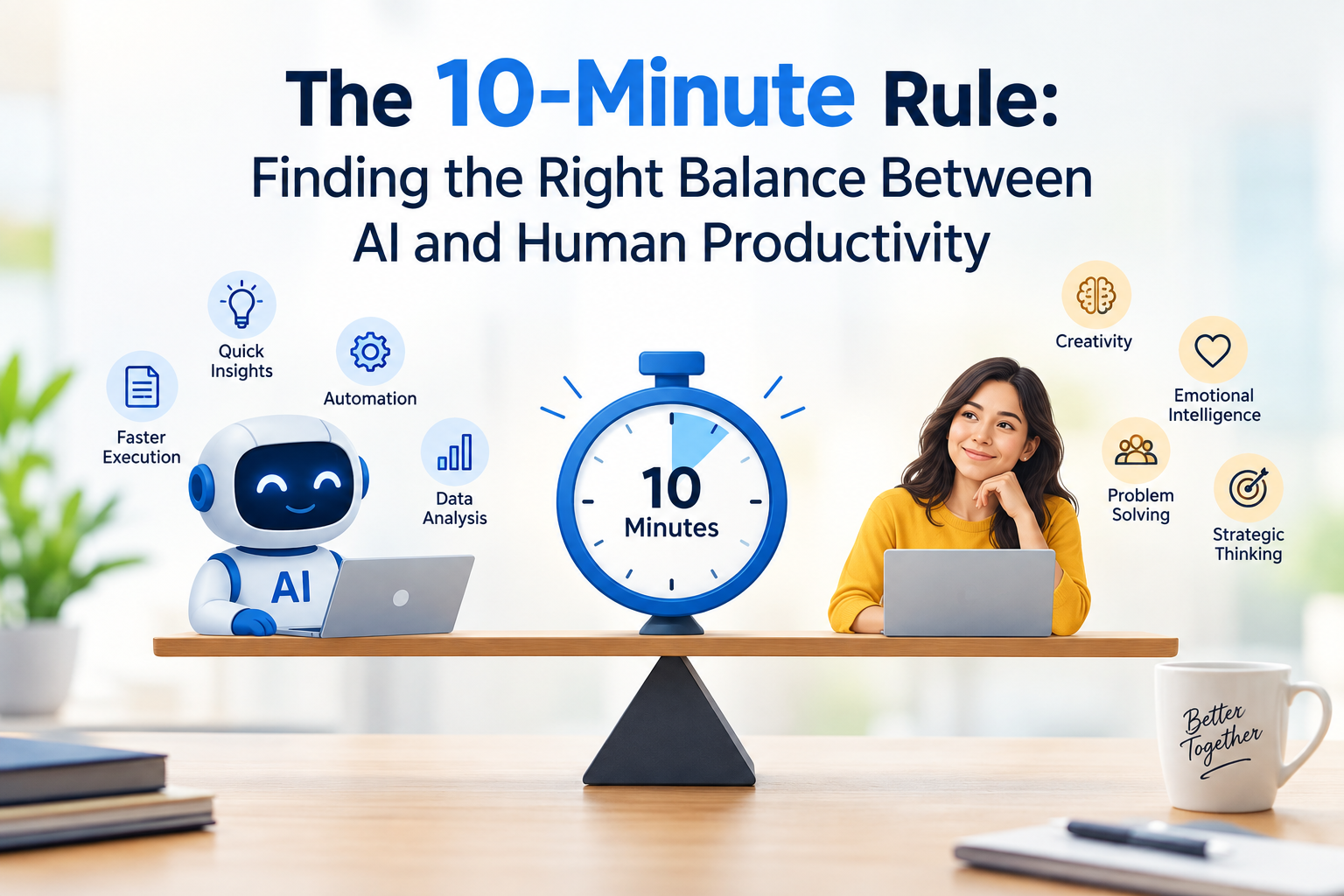
Introduction: A Pause That Changes Everything Artificial Intelligence (AI) has become a defining force in modern productivity. From automating repetitive tasks to generating creative drafts, AI is reshaping how we work. Yet, with this power comes a challenge: how do we ensure that humans remain at the center of meaningful decision-making, creativity, and empathy? The […]
When individuals share their personal information with a company, it’s crucial for them to understand precisely what data is being collected, the reasons behind its collection, how it will be utilized, and what options or rights they possess. This is where the role of a Privacy Notice becomes essential. A Privacy Notice is more than […]
A few weeks before every audit, something predictable happens. Training completion rates jump. Policy acknowledgments that sat untouched for months suddenly get signed off in a single afternoon. Everyone is, on paper, compliant. Then the audit ends, and things quietly go back to normal. Passwords get reused. Approval workflows get skipped when a deadline is […]
The EU AI Act What it is, how the risk tiers work, and what businesses need to do now What is the EU AI Act? The EU AI Act is a comprehensive legal framework governing AI available on the EU market. As a product safety legislation, its purpose is to protect the fundamental rights, health, […]

Fill out the form below with your query and we will get back to you ASAP!