Our Blogs

Welcome to the Matayo Cyber Security Blog, your go-to resource for the latest trends, insights, and best practices in the world of cyber security.

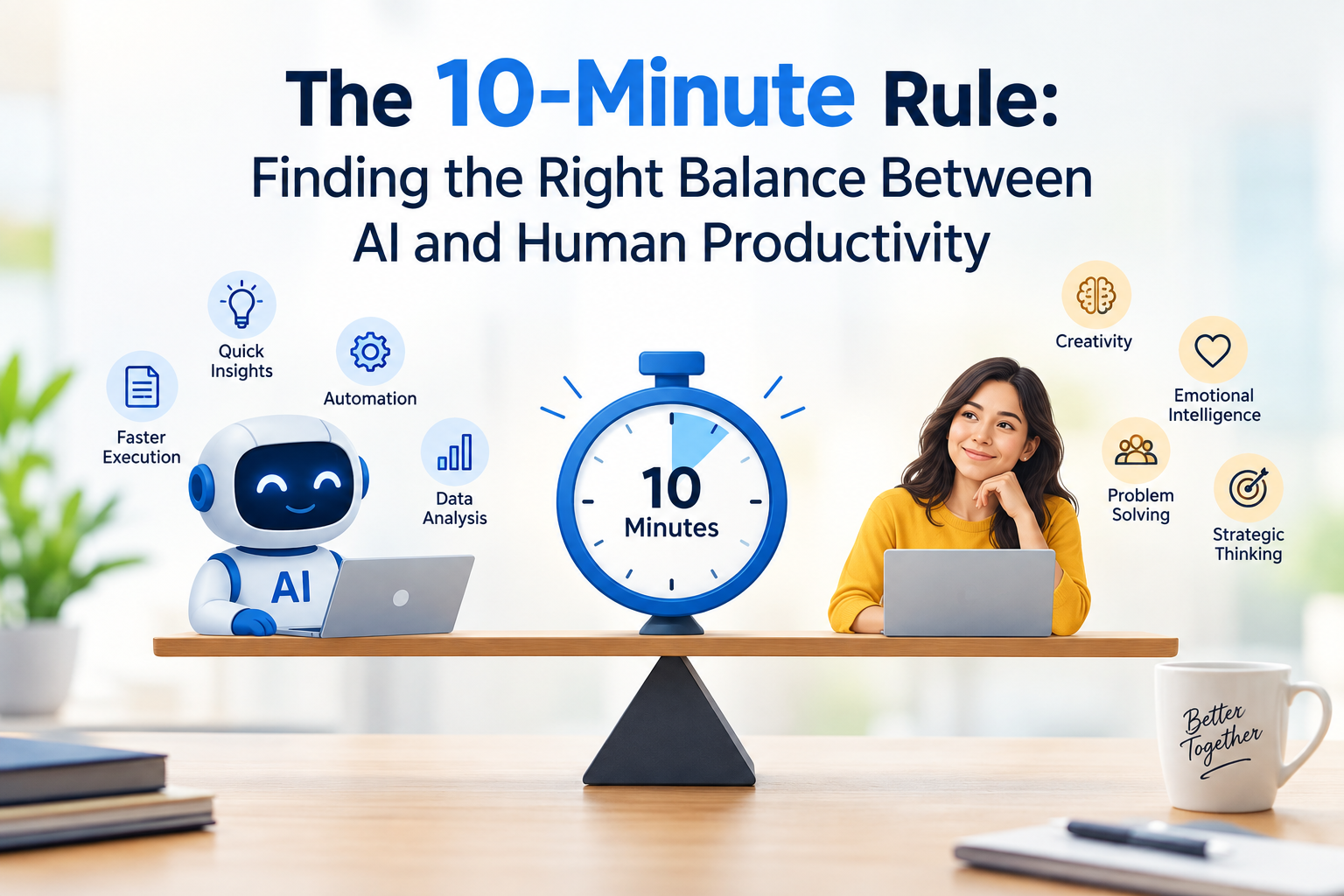
A few weeks before every audit, something predictable happens. Training completion rates jump. Policy acknowledgments that sat untouched for months suddenly get signed off in a single afternoon. Everyone is, on paper, compliant.  Then the audit ends, and things quietly go back to normal. Passwords get reused. Approval workflows get skipped when a deadline is […]
The EU AI Act What it is, how the risk tiers work, and what businesses need to do now What is the EU AI Act? The EU AI Act is a comprehensive legal framework governing AI available on the EU market. As a product safety legislation, its purpose is to protect the fundamental rights, health, […]
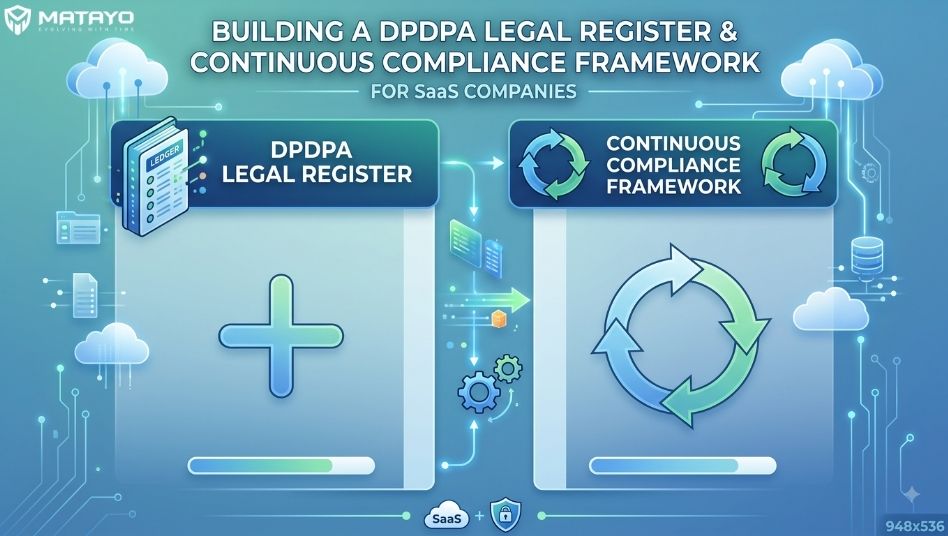
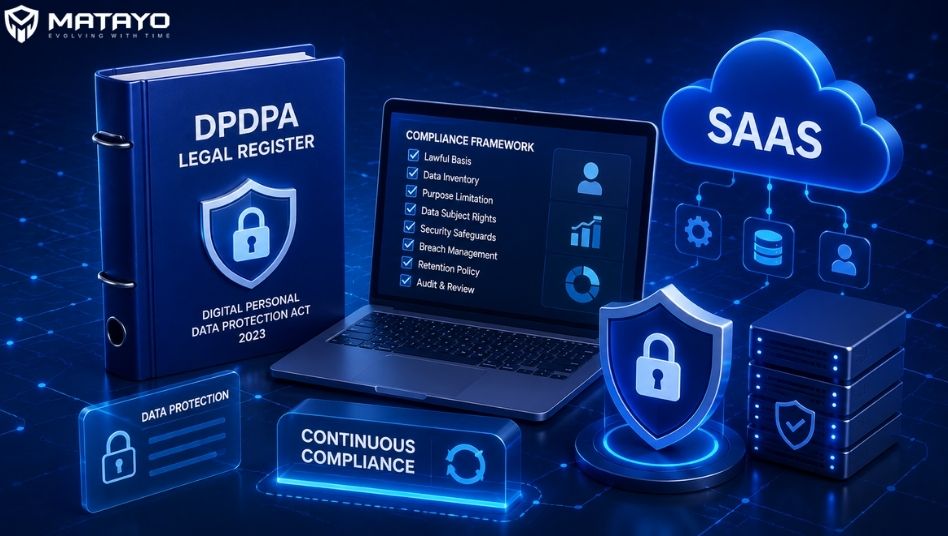
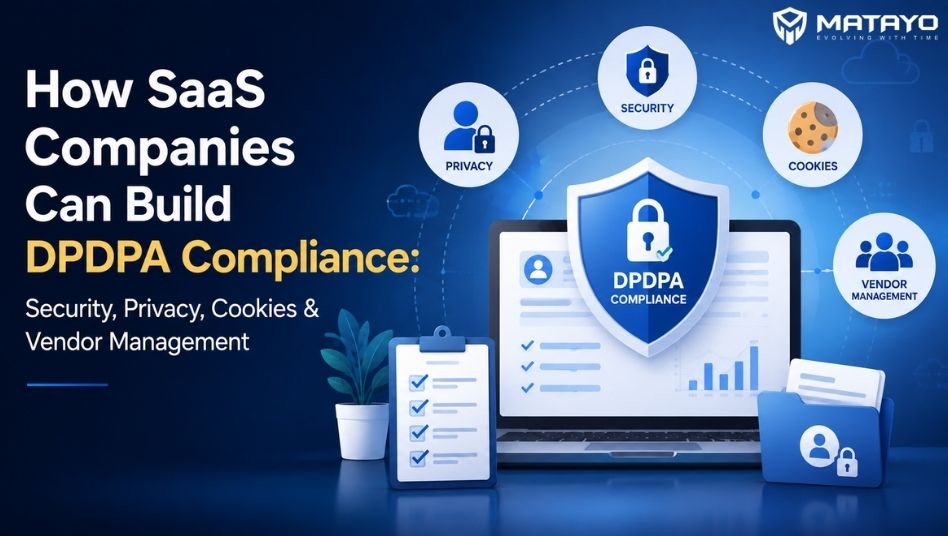
A careless privacy step can turn a routine business day into a legal storm. Under the DPDPA, some mistakes stay quiet until a notice, breach, or complaint arises. You may think consent banners and policies cover enough, yet small gaps bring sharp risk. A weak notice, slow reply, loose access control, or poor complaint path can hurt fast. One missed check can drag your brand into trouble.
May 2027 is closer than it looks, and your data duties are growing. If your business collects names, numbers, emails, or IDs, this matters. The DPDPA asks you to treat personal data with care, clarity, and purpose. That means knowing what you collect, why you keep it, and who sees it. You need clean notices, clear consent, safe systems, and simple records.
Service providers are now increasingly responsible for safeguarding sensitive payment data across shared environments as cloud computing becomes integral to modern digital infrastructure. The Payment Card Industry Data Security Standard (PCI DSS) was made to protect cardholder data from breaches and fraud. It applies to any entity that stores and processes this data.
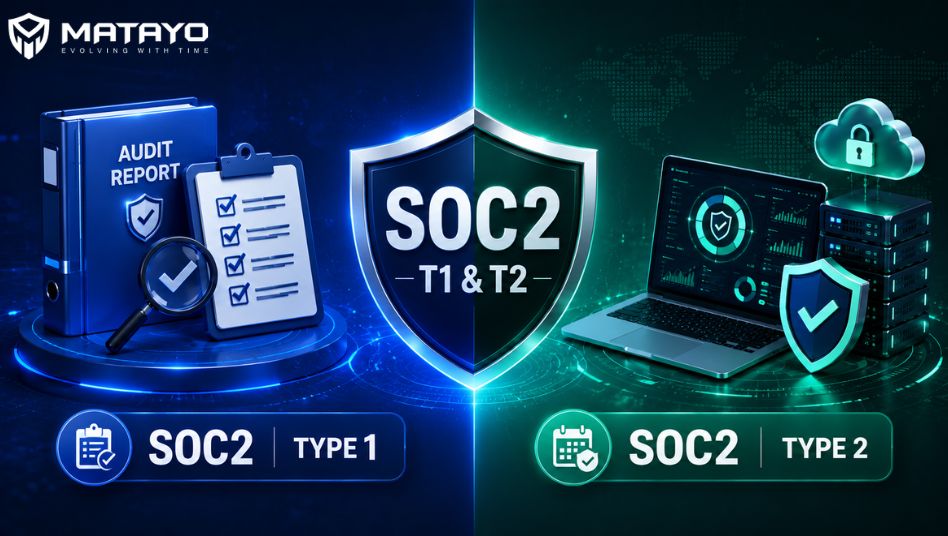
SOC 2 compliance has become a significant milestone for SaaS startups in Mumbai seeking trust and credibility with enterprise clients. Many founders in Mumbai often view it as a simple checkbox to achieve SOC 2 readiness—whether Type 1 or Type 2—but it is far more intricate than it appears.